

Dictionary.com offers a total of 4 different definitions for the word ‘diorama’ but its primary description states that a diorama is “a scene, often in miniature, reproduced in three dimensions by placing objects, figures, etc., in front of a painted background.” In other words, the subject could be a display representing a scene from nature, a historical event, or a populated location; traditional versions of these demonstrations may use stuffed wildlife, wax figures, real objects, whereas digital 3D dioramas could consist of either sculpts of creatures, modeled buildings, and/or props. (Source: dictionary.com)
Types of Dioramas

Architectural

The scaled-down view of buildings and landscaping, whether from a city block or an entire city are visual representations of careful planning in 3 dimensions. These dioramas can be used to showcase future visions, visualise development and project impacts, view shapes of buildings and topology, plan traffic flow, and as well as many other practical implications. Topographical dioramas can also be used to feature specific geographical areas for development projects both above and below ground, so that planners can see how their actions will effect the two simultaneously, ensuring that a change in one won’t have a devastating effect on the other.
The accuracy and intricacy of some of these dioramas is incredibly impressive; the time taken to articulately plan and execute these in-depth works of art is, in itself, imposing. I also appreciate their necessity to both private and public construction projects, as well as their influence on digital 3D art today. Like the standard blockout stage of the 3D environment art pipeline, where detailed assets are represented by vague shapes, architectural dioramas don’t have to be intricate works of art to portray a level or city design.
Entertainment
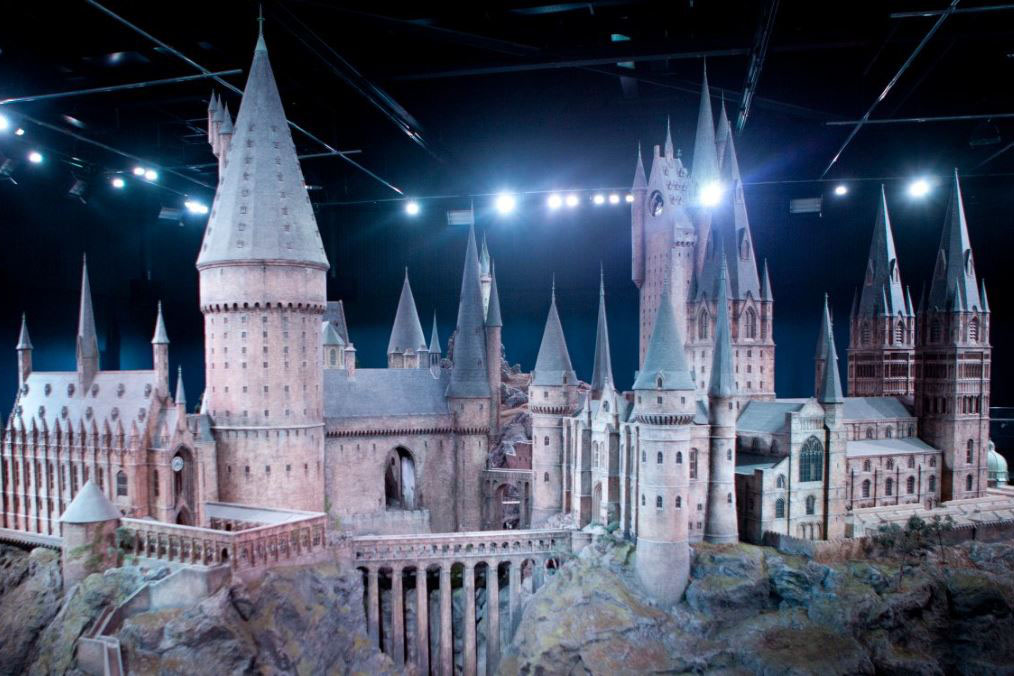
For the most part, dioramas built for entertainment are used to immerse the audience, rather than inform. Visual representation based on popular movie scenes, video-game sets, or board games, can be accomplished with highly detailed entertainment dioramas. Design elements which encompass music, special lighting, rivers and mountains, futuristic scenes, old castles, medieval scenes, or hundreds of warriors battling away – these can be built into the diorama.
As a fan of the Warhammer franchise, I appreciate the tedious hard work injected into the physical pieces that make up the majority of the traditional gameplay, but I despise their impractical designs. The detail of each piece is determined by the skill level and attention span of the consumer, and some of the results seen online are infuriating – probably most infuriating to the original artist. I have yet to participate in a traditional game of Dungeons & Dragons.
Historical
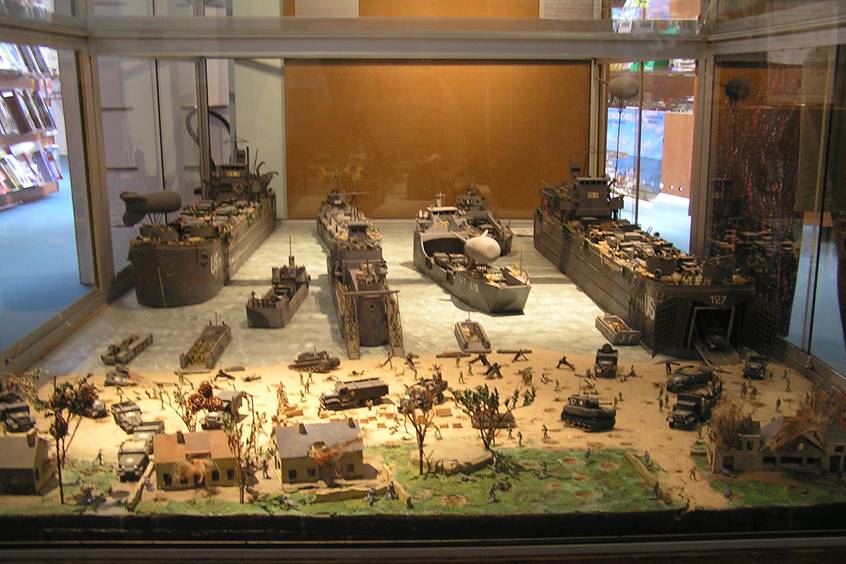
Museums and educational institutions use dioramas as educational tools to dramatically impact the appeal to viewers through 3D representations of scenes. These special exhibits can depict science, space, natural history scenes, animals, environments, wildlife aquariums, special exhibits, and historical events. From the American Museum of Natural History to museums at Pearl Harbor to depictions of nature, these museums all have something in common — bringing to life the replication and realism of the scene. While some think of museum dioramas as taxidermy recreations of animals and fishes, others think of re-enactments of battlefields and warfare on the seas to retain historical details for future generations.
Dioramas in Games
Capt. Toad
Captain Toad: Treasure Tracker is an action puzzle video-game developed and published by Nintendo for the Wii U in 2014. It’s a spin-off of the Super Mario series which builds upon the isometric mini games starring Captain Toad from Super Mario 3D World. Gameplay involves the player identifying their objective, assessing the diorama by switching between varying angles, and solving the puzzle, all while gathering collectibles to aid their adventures. The example level inserted above consists of a variety of in-game functions that the player has to utilise as best they can to achieve their goal; these include moving platforms, enemies, player lives, collectible coins, underwater movement, and pipes for unique traversal.
Escape Plan
Escape Plan is a puzzle video game released for the PlayStation Vita in 2012, as a launch title. Escape Plan is the first title from new developer Fun Bits Interactive and is produced by Chris Millar, known for his previous work on Fat Princess. The trailer inserted above is a brief demonstration of the game’s room-to-room mechanics and a good example of the use of dioramas in video-games. The trouble with going out of one’s way to use dioramas inside a game limits the developers options for play style and genre – hence why it isn’t very popular among examples outside of puzzles.
Warhammer 40k
Warhammer 40,000 is a miniature wargame produced by Games Workshop. The first edition of the rulebook was published in October 1987. The latest edition is the eighth, which was published in June 2017. As in any other miniature wargames, players enact a battle using miniature models of warriors and fighting vehicles inside of a traditional diorama that would represent the battlefield, consisting of creature/character units, paths, mountains, buildings, fictional terrain, and other obstacles; this is crucial to the strategy element of these types of wargames.
 Level 3 Year 2